
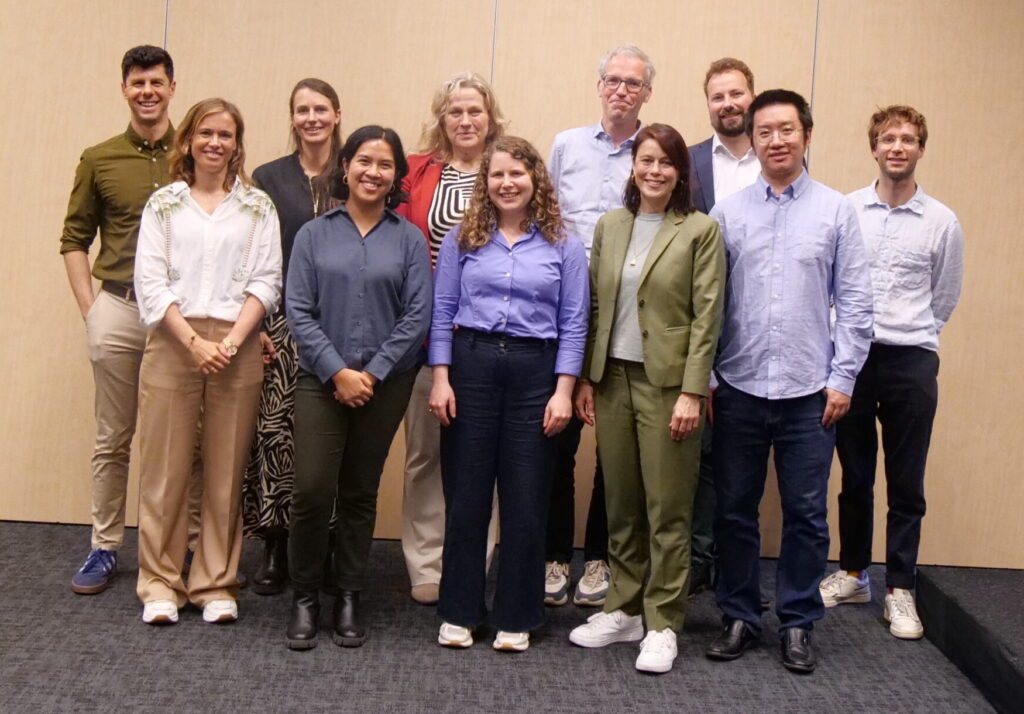
On May 21, 2026, the AURORA project held its final event. Taking place on the sidelines of the SETAC Europe meeting, the event brought together experts from the micro- and nanoplastics (MNPs) research community. After five years of research, the AURORA project is coming to an end in September 2026. The event was an opportunity for our scientists to present their findings and learnings from the project.
Throughout the event, the scientists presented key results and identified next steps – from investigating MNP exposures to toxicological assessments, risk assessment, and implications for policy and communications with the wider public.
Key messages from AURORA’s research share at the event include:
- Exposure is widespread. MNPs are found throughout indoor environments that represent major, potentially modifiable source of early-life exposure.
- Plastic reaches the placenta. MNPs cross the placental barrier, but transfer is minor and strongly size dependent. There is potential for direct and indirect effects.
- Acute toxicity is limited, but chronic effects are still unknown. MNPs are taken up by cells and tissues with no or minimally observed acute toxicity (except for polyamide). Chronic exposure, mixtures and human developmental effects remain open questions.
- A risk assessment framework is now in place. AURORA developed an early-life-stage risk assessment framework for MNPs, ready for testing and policy use.
- Methods and standards are the foundation. Reliable reference materials, harmonised protocols, and rigorous QA/QC are prerequisites for trustworthy human exposure data.
- Scientific uncertainty ≠ inaction. There is scientific consensus that humans are exposed to MNPs, that they reach tissues, and that they trigger biological responses. That is reason enough already to act.
Many of the results presented will be published in peer-reviewed journals in the coming months. Follow us on LinkedIn to not miss future updates.
The recordings of the event, as well as the speaker’s slides, are available on the events page.
